The first picture of a black hole has survived its toughest check yet. A team of four Australian researchers reanalysed the original telescope data with a new method, and the famous orange ring came back.
The Event Horizon Telescope collaboration released the image in 2019. It showed the supermassive black hole at the centre of the M87 galaxy, about 55 million light-years from Earth, as a bright ring around a dark centre. The black hole weighs about 6.5 billion times as much as the Sun.
Some scientists had questioned the result. They argued the ring shape could be an artefact of the way the team rebuilt the image from radio telescope data. In 2022, a group led by astrophysicist Junichiro Makino at Kobe University applied one of the original techniques with different assumptions and produced a blob of radio emissions instead of a ring.
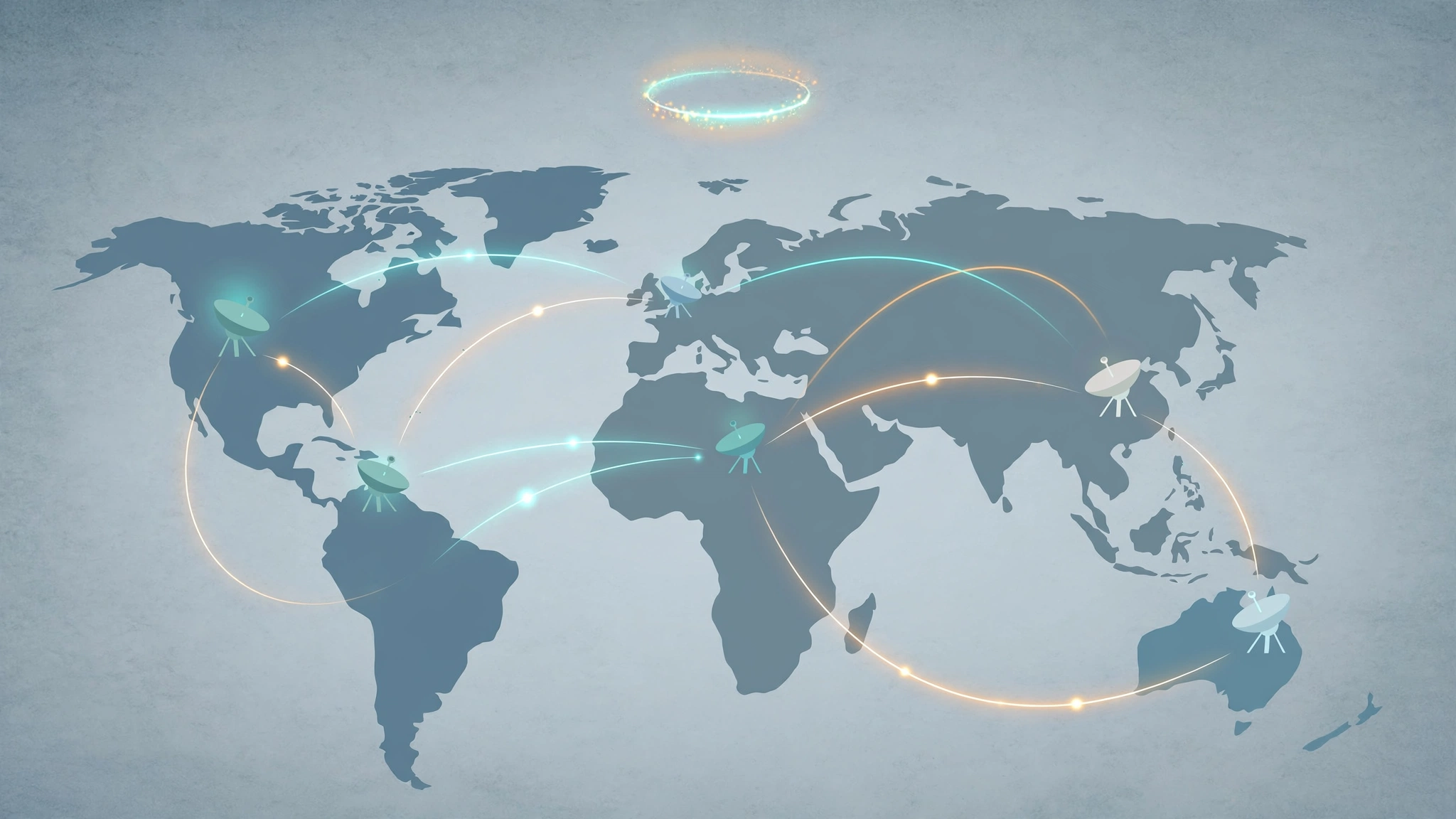
The new study, published on 11 November in Nature, took a different route. Samuel Lai of CSIRO, Australia’s national science agency, and his colleagues built a new imaging method called GenDIReCT, which combines telescope measurements in a way that cuts the effect of calibration errors. They applied it to the same 2019 data.
The ring held. Its size and orientation matched the original image, though the fine details of ring width and brightness along the edge differed slightly. Lai called it the first truly independent validation of the image.
Source: Phys.org