The northern lights could dip into several northern US states on Tuesday and Wednesday nights as a minor geomagnetic storm reaches Earth, according to the National Oceanic and Atmospheric Administration.
NOAA’s Space Weather Prediction Center issued a G1 watch, the lowest level on its five-point storm scale, for November 17 and 18. A coronal hole and a glancing coronal mass ejection are driving the disturbance. The ejection left sunspot region 4579 on Saturday, November 14, according to Spaceweather.com.
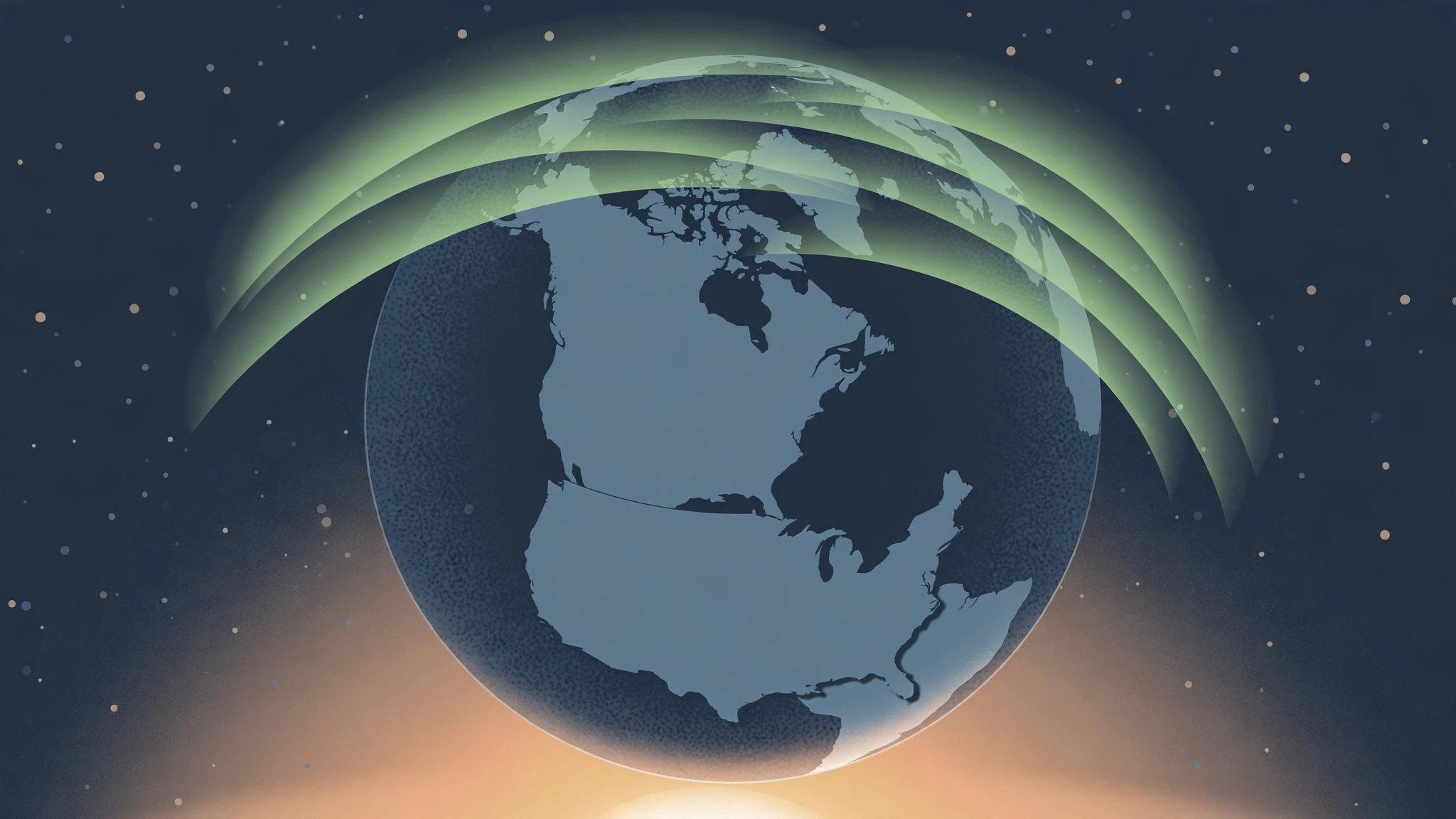
Forecasters expect the aurora to be visible across Canada and Alaska, and in northern parts of Washington, Idaho, North Dakota, Minnesota, Wisconsin, Michigan and Maine. The Kp index, which measures geomagnetic activity on a scale of 0 to 9, is forecast to peak at 4.7 on Tuesday.
The best viewing usually comes in the hours around midnight. Forbes notes the prime window runs from 10 p.m. to 2 a.m. local time. Clear skies and a dark spot away from city lights give watchers the best shot, and forecasts can shift quickly as the solar wind arrives.
Source: Starlust