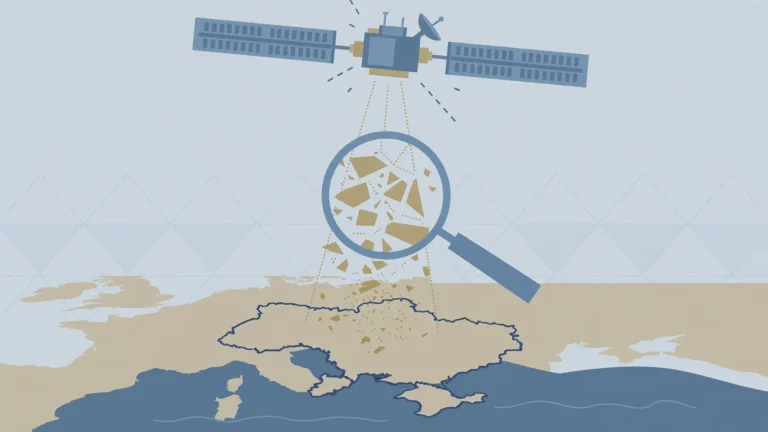
Less than three weeks out from midterm elections that could shift the balance of power in Congress, Russia and other foreign governments are once again moving to influence American voters. The New York Times reported on October 16 that fresh signs of stepped-up influence campaigns are emerging across social media.
One operation, known as Doppelgänger, is backed by the Russian government and run by Russia’s Social Design Agency, a public relations firm under sanctions from both the United States and the European Union. According to a new study by the threat intelligence company Alethea, the operation has been flooding social media with posts that push a theme of collapsing bipartisan support for Israel, using American backing of Israel as a political wedge issue.

Alethea’s researchers described a campaign built around more than 50 fake social media personas, many posing as Israeli women, amplified by a network of over 1,000 accounts that produced an estimated 150,000 posts. Bloomberg separately reported that Russian disinformation operators are using AI-generated clips, including fabricated statements attributed to well-known actors and singers, alongside coordinated accounts that make the material appear more popular than it is.
U.S. intelligence officials believe the broader objective is to exploit divisions among Americans and create distrust around the election rather than to help one political party win, the Times reported, citing officials familiar with intelligence assessments. On Wednesday, X announced it had banned 13,000 accounts linked to influence operations connected to Iran, Russia and China, saying the fake accounts amplified content about U.S. politics.
An attempt by U.S. intelligence officials to brief state election personnel on midterm threats ran into trouble on Thursday, people familiar with the matter told the Times, when officials could not establish a secure virtual connection to the election workers. The briefing would have been the first of its kind in more than two years.
Source: The New York Times