Astronomers found the most distant quasar ever seen, a blazing galactic core that already existed 630 million years after the Big Bang. The object, catalogued as J1504+6252, dates to about 13.1 billion years ago, when the universe was roughly 5% of its current age.
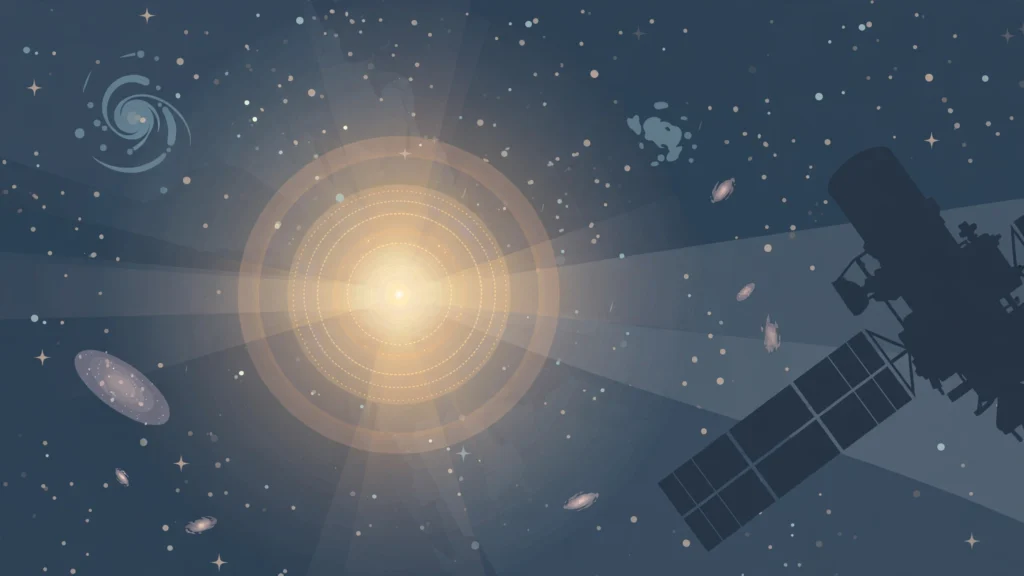
The European Space Agency’s Euclid space telescope spotted the quasar in its survey data. Follow-up observations with the James Webb Space Telescope, Hubble, and ground-based telescopes confirmed it, and the results appeared in the journal Astronomy and Astrophysics on November 24.
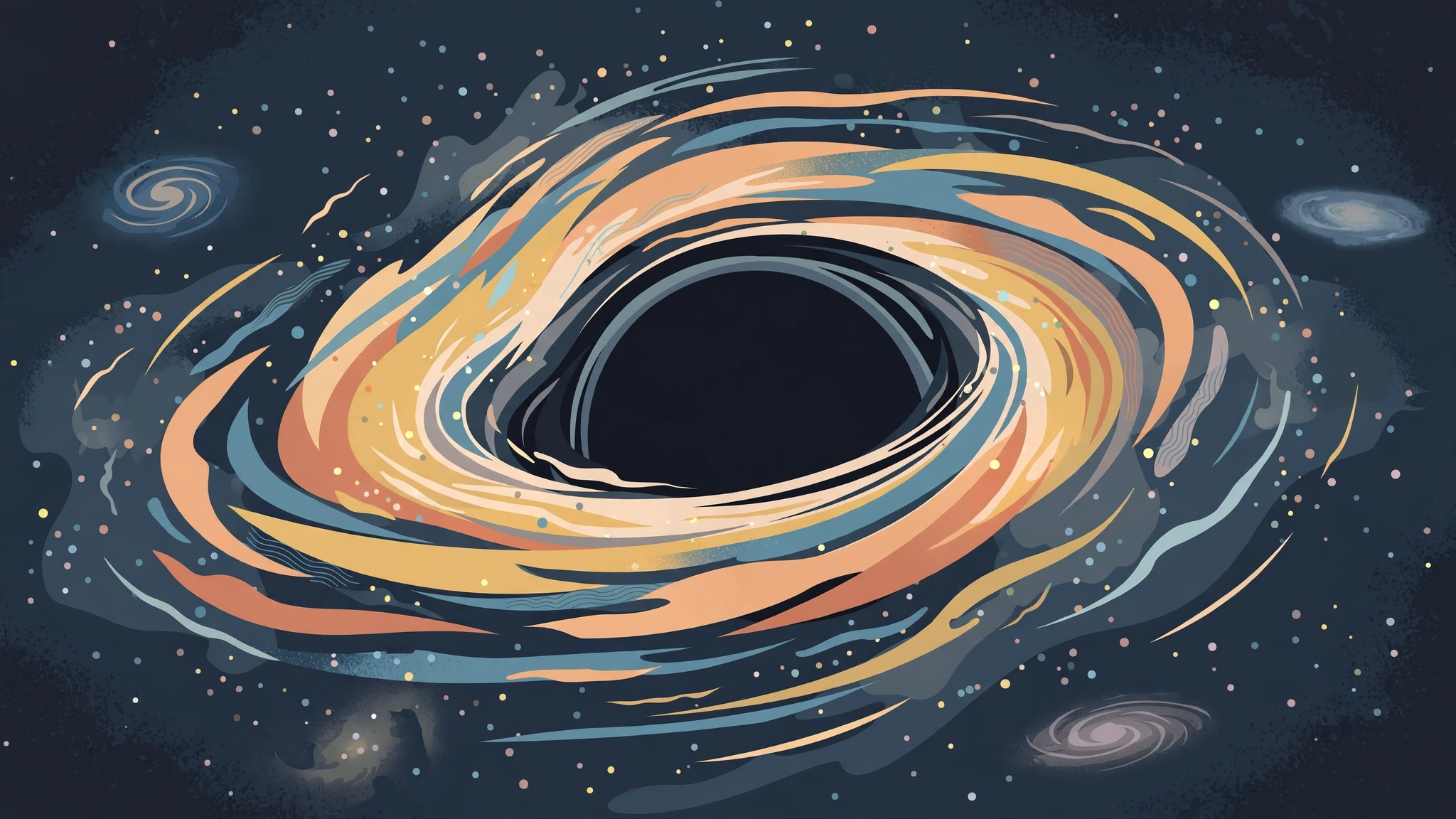
The quasar’s black hole holds about 360 million times the mass of the Sun, according to the research team. That size puzzles astronomers. So much mass gathered so soon after the Big Bang, and they still work through how it grew that fast.
The team nicknamed the object Dún Aonghasa, after a prehistoric stone fort on a cliff on Inis Mór, off the west coast of Ireland. It is the first quasar found beyond a redshift of 8, at 8.13, and it beats Euclid’s own previous record from July by 40 million years.
Lead author Julien Wolf of the European Southern Observatory said the find sharpens the question of how early black holes formed. One explanation the team tested, called direct collapse, has a massive gas cloud condensing straight into a black hole without first forming a star.
Source: Reuters