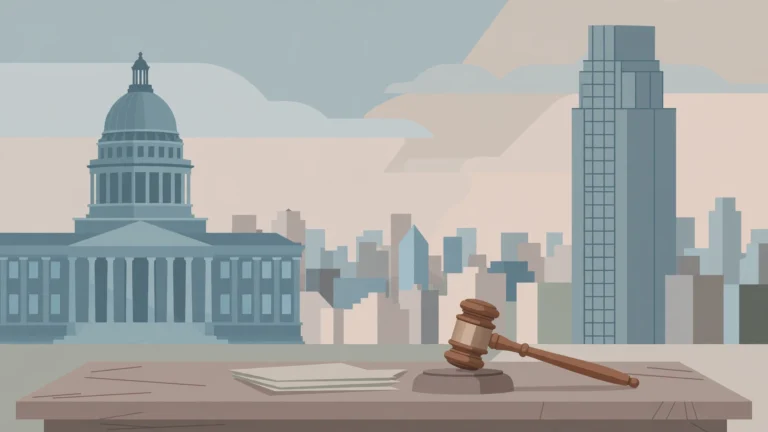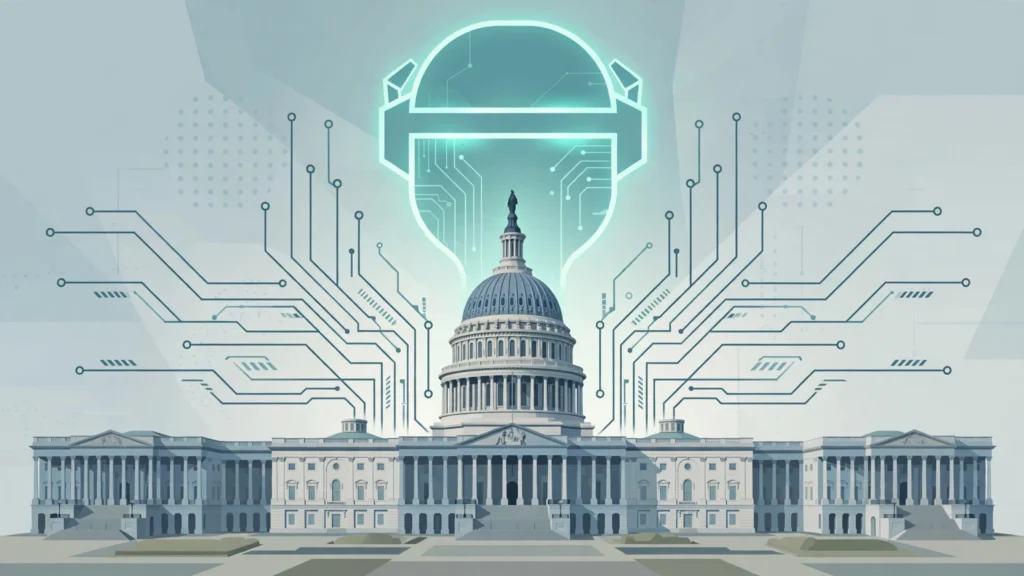
Congress has spent two years drafting bills to rein in artificial intelligence. Almost none of them have become law.
The proposals cover safety checks on powerful models, limits on access for national security reasons, and help for workers displaced by automation. Democrats and Republicans have both put forward measures, and partisan divisions plus heavy lobbying by the tech industry have stalled them, according to The New York Times.
One leading bill, the Frontier Act, comes from Representatives Jay Obernolte, a California Republican, and Lori Trahan, a Massachusetts Democrat. It would require the largest AI companies to publish reports on their models, including safety incidents, and submit to audits by independent organisations. The Commerce Department could suspend technologies that posed imminent catastrophic risks.

President Trump has opposed mandatory rules, and has dismissed warnings about the technology’s risks. With Republicans in control of the House and Senate, members of his party have been unlikely to advance significant legislation in the face of his objections, the Times reported.
The picture may change in January. Democrats, who won both chambers in the midterms, plan a wave of AI legislation when the new Congress sits, Reuters reported on Nov. 6. Their plans include bills to shield consumers from rising electricity costs tied to data centres, require independent testing of advanced AI systems, and clarify when AI companies can be held liable for harm caused by their products.
A fight over who does the regulating still looms. The Trump administration wants federal rules to preempt state laws, while several states have moved ahead with their own measures. Representative Ted Lieu, a California Democrat, summed up the current state of play in blunt terms: “There is essentially zero federal laws on A.I.”
Source: The New York Times