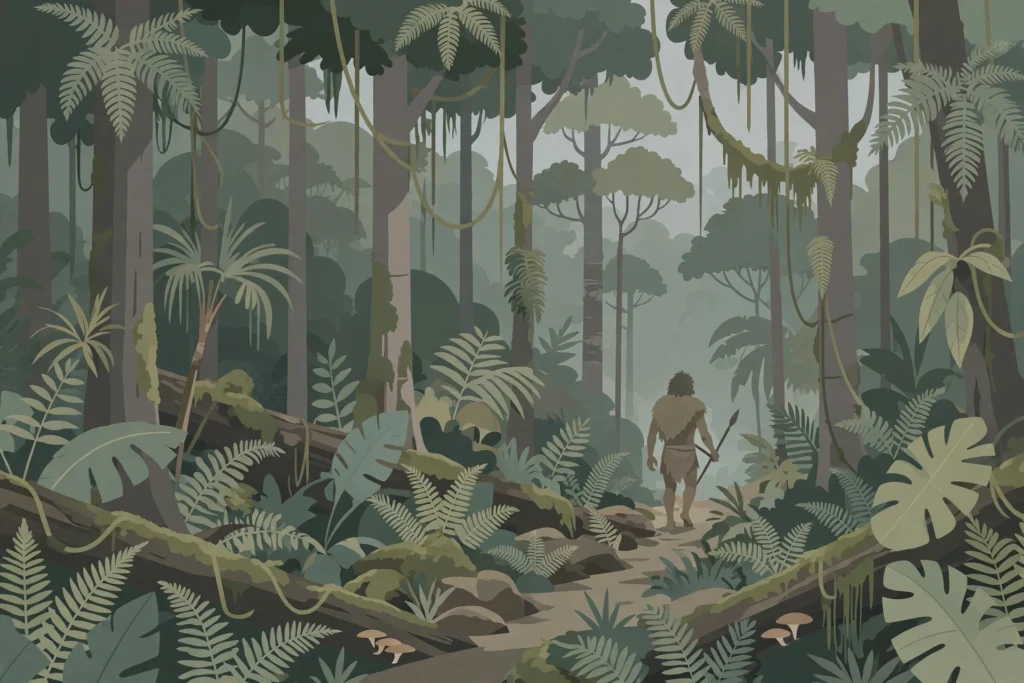
Homo erectus lived in dense rainforests in southern China as recently as 184,000 years ago, according to two studies published in the journal Nature on 18 November.
Researchers reached the finding from nine fossil teeth found in two limestone caves, Baxian and Naxian, in Guangxi province. Eight of the teeth belonged to Homo erectus. The team dated the fossils to between 324,000 and 184,000 years ago using five dating techniques.
The result rewrites the timeline for the species on mainland Asia. Scientists had thought Homo erectus vanished from the region about 400,000 years ago. The new fossils show it survived there for up to 216,000 years longer than previously believed.
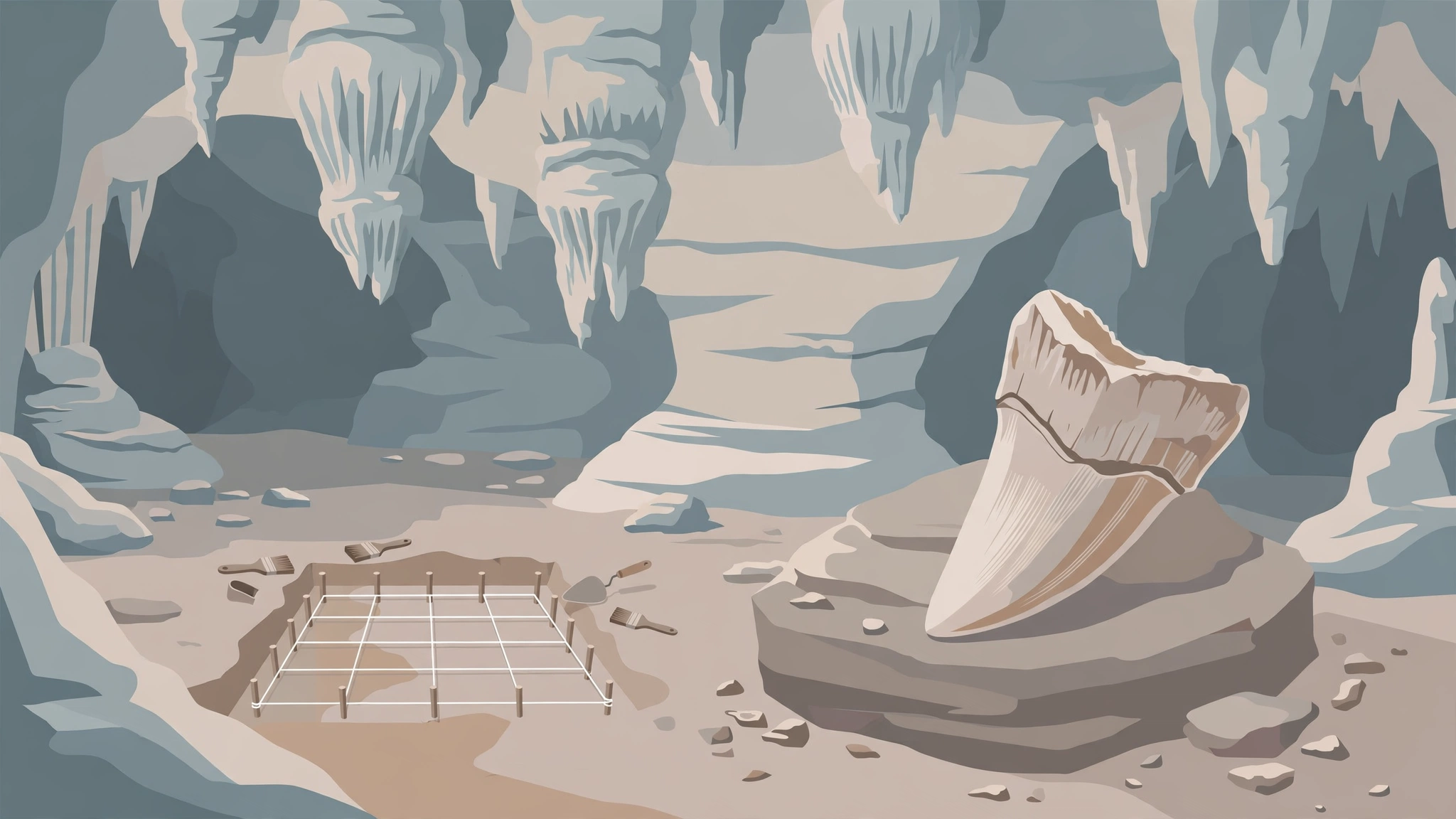
The finding also overturns a long-held idea about where the species could live. Rainforests were thought to be a frontier only Homo sapiens could survive. Patrick Roberts, a professor at the Max Planck Institute of Geoanthropology and a coauthor of one of the studies, said this was the first clear, direct evidence of another hominin living in such habitats.
Chemical signatures in the tooth enamel showed the individuals ranged widely, with some travelling up to 250 kilometres through the forested karst country. Kira Westaway, a geochronologist at Macquarie University and lead author of one of the studies, said the work opened a new chapter in understanding the species.
The team also found signs that Homo erectus may have shared the region with Denisovans, another ancient human relative. One of the nine teeth appears to belong to a different hominin, most likely a Denisovan.
Homo erectus emerged in Africa nearly two million years ago and was the first human relative to leave the continent. It survived for roughly 1.8 million years, making it the longest-lived known species in the Homo genus. The leading theory for its extinction held that it could not adapt as rainforests spread across its last home on Java. The new evidence challenges that account.
Source: CNN