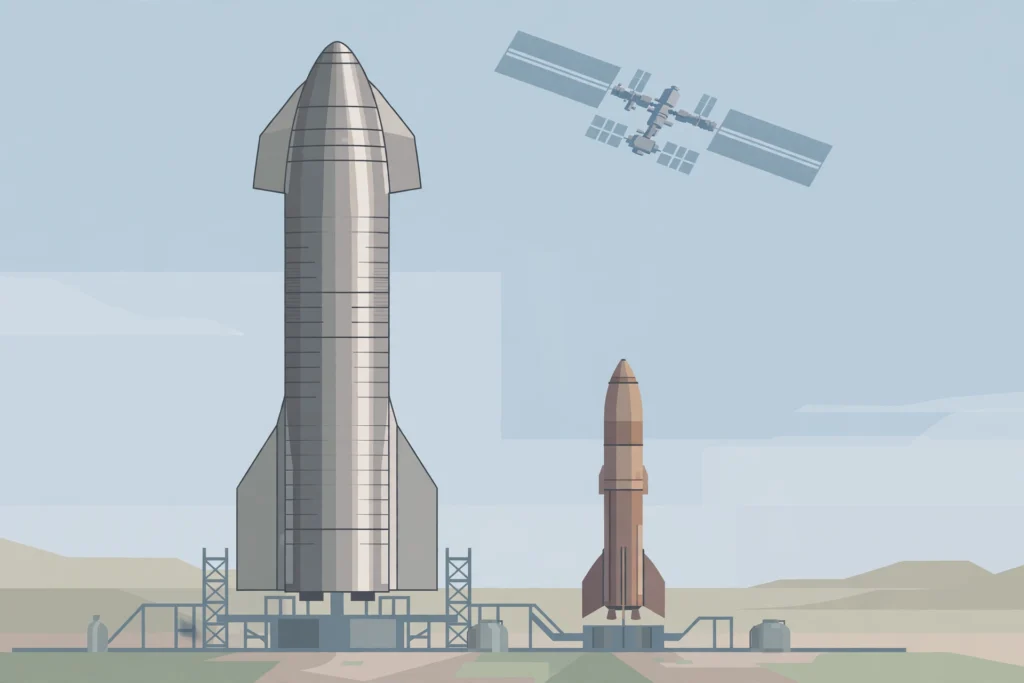
SpaceX planned the most ambitious test yet of its giant Starship rocket for Friday, a flight that would take the vehicle around the Earth and back to its launch pad in South Texas about 22 and a half hours later.
The test matters beyond SpaceX. Starship is the largest rocket ever built, and the company wants it to carry its Starlink satellite business and, one day, astronauts to Mars. What it cannot do yet is carry NASA astronauts. That job still falls to Falcon 9, the smaller rocket SpaceX has said it will wind down as Starship takes over.
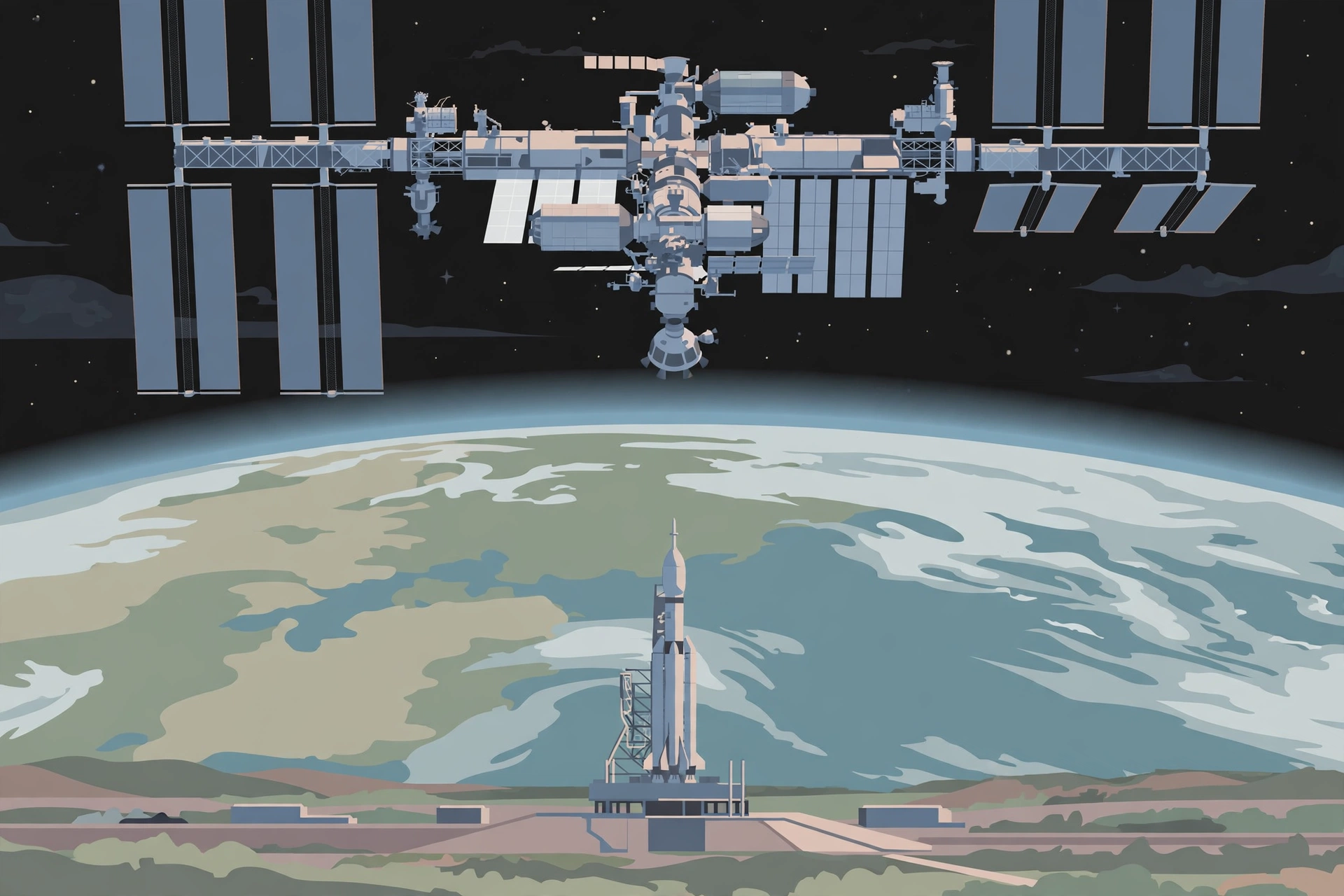
Falcon 9 launches the Dragon capsule, the only American spacecraft currently able to ferry NASA astronauts to and from the International Space Station. NASA booked three more Dragon flights in September. Flown back to back in six-month steps, those would keep Dragon flying only until 2028. The station is due to retire in 2030.
Elon Musk said earlier this year that once Starship flies reliably several times a week, it makes sense to shift scarce engineering and production resources to it, “which means winding down Falcon”. SpaceX president Gwynne Shotwell has compared Dragon to a minivan, saying the six-month trip to Mars calls for newer technology.
NASA has one other option in Boeing’s Starliner capsule. Its next test flight is planned for this winter, with a crewed flight sometime in 2028, according to NPR. Analysts at Quilty Space, a firm that tracks the industry, found the commercial market could fall about 150 launches short between now and 2030 if Falcon 9 goes away.
The two companies have a long history. NASA funding was widely credited with saving SpaceX in 2008, when Musk said the company was running on fumes. Now its contracts with NASA are worth far less to the company than they once were, and Starship points the other way: towards satellites, data centres in space, and Mars.
Source: NPR