The human heart beats more than 100,000 times a day, and that relentless workload is exactly why it cannot fix itself after injury. A new study from researchers in Spain pins the problem on a basic trade-off inside heart muscle cells.
Heart muscle cells, known as cardiomyocytes, give up much of their ability to divide so they can keep contracting without pause. The team at the Centro Nacional de Investigaciones Cardiovasculares Carlos III (CNIC) reports the finding in Nature Cardiovascular Research.
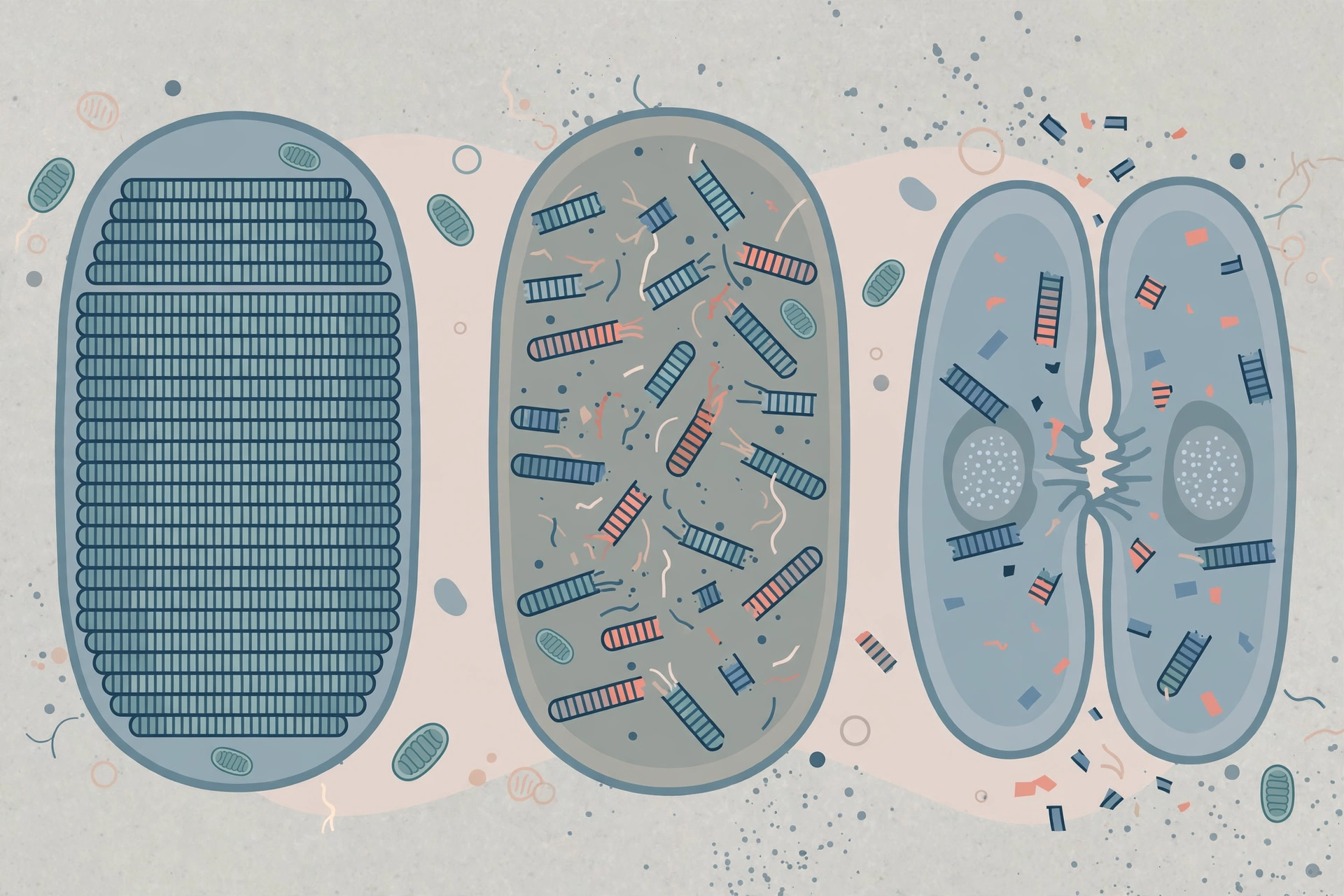
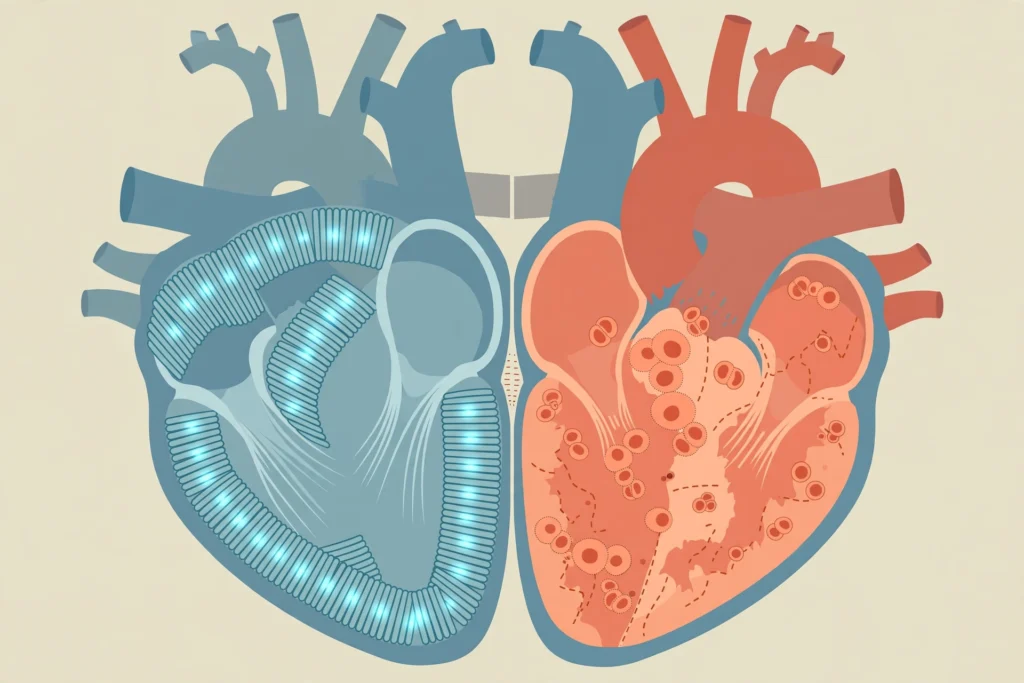
In lab tests on human stem cell-derived heart cells, engineered heart tissue, living heart slices and animal models, the researchers temporarily stopped the cells from contracting. The organised fibres that power each beat, called sarcomeres, came apart, and the cells re-entered the cell cycle and began to divide.
When contraction resumed, the process reversed. The sarcomeres reassembled and the cells stopped dividing. The resting cells also shifted to a more glycolytic metabolic state, which the researchers link to the renewed capacity to divide.
“The heart has evolved to prioritize continuous function over regeneration,” said Dr Florian Weinberger, senior author of the study and group leader of the Cardiac Tissue Engineering and Regenerative Therapies Laboratory at CNIC. “The very machinery that enables them to contract and sustain life also prevents them from dividing and replacing damaged tissue.”
Unlike skin or liver, the adult heart has very limited regenerative capacity, and that ability fades shortly after birth, just as the heart takes on a heavier workload outside the womb. The work points to a new way of thinking about heart repair: the barrier is active, not fixed, and it is maintained by the demands of beating itself.
Source: Medical Xpress