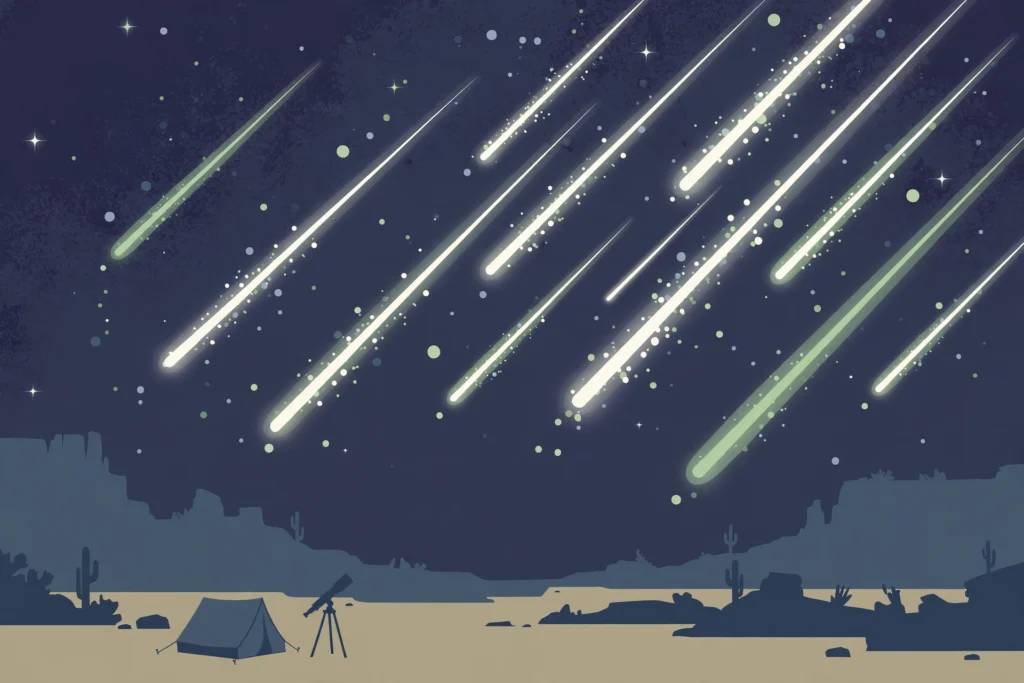
The Orionid meteor shower hits its peak on the night of October 21 and into the early hours of October 22, but forecasters warn that cloud cover could block the view across parts of the country, The Weather Channel reports.
Under dark skies the shower can produce 10 to 20 meteors an hour. The catch this year is weather. Thick clouds and rain are likely over the Four Corners and parts of the West Coast, while a nor’easter brewing off the East Coast could push clouds inland from New York City into New England.
The mid-Atlantic and much of the central and eastern US look clearer for now, though forecasters say viewers should check local conditions on the night. A bright waxing gibbous moon will also wash out the fainter meteors, so the best viewing comes after moonset in the hours before dawn.
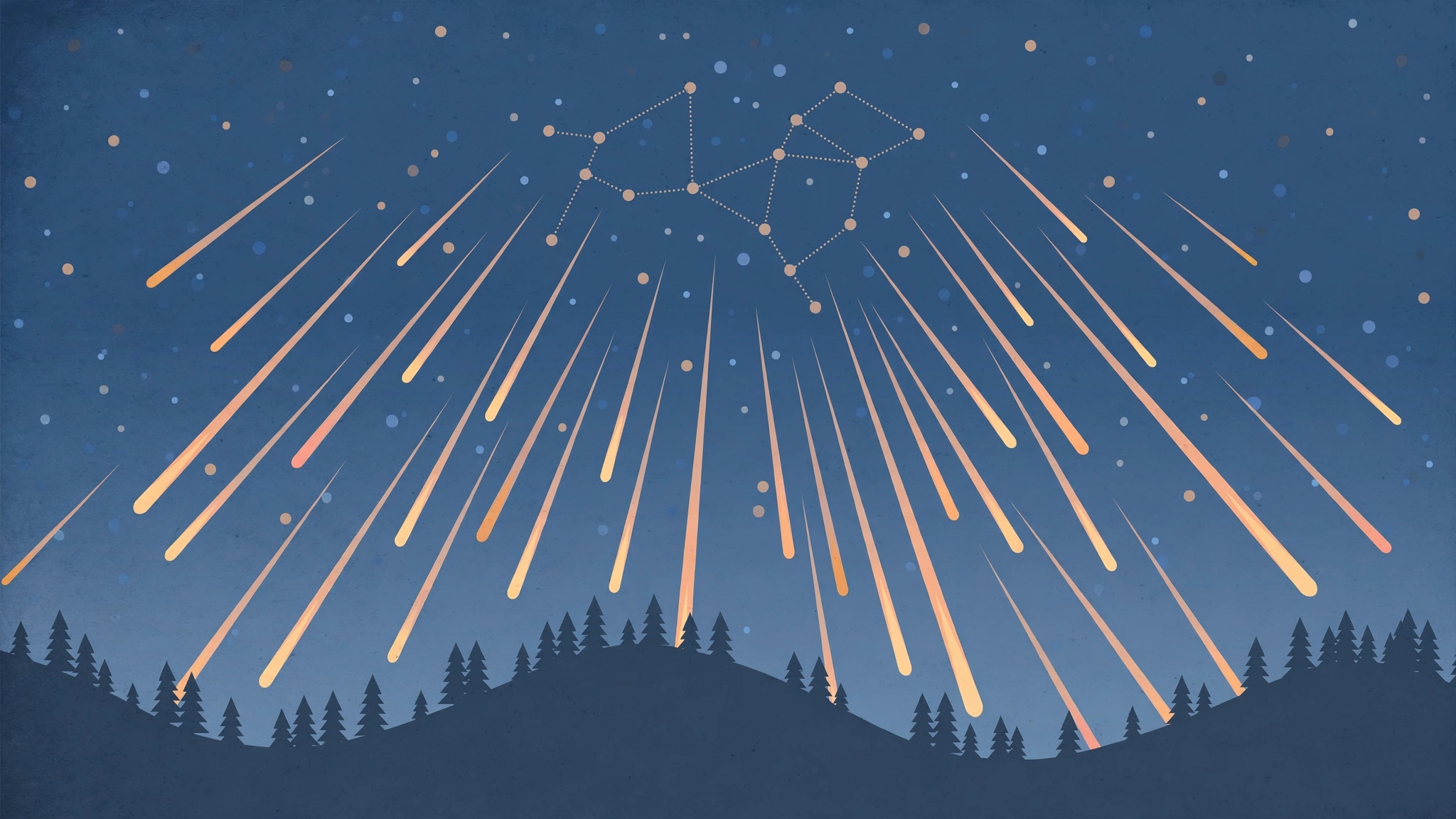
The Orionids appear each October as Earth passes through debris shed by Halley’s Comet, and they stay active from October 2 through November 7. NASA suggests watching with the naked eye from a dark spot away from city lights, and giving your eyes about 20 minutes to adjust to the dark.
Source: The Weather Channel