A long held idea about how life began on Earth may be wrong. A new study finds that comets probably did not deliver the chemical building blocks life needed, even though they carried them across the early solar system.
Researchers at the University of Cambridge ran 100,000 computer simulations of the bombardment Earth endured more than 4 billion years ago. They focused on hydrogen cyanide, a chemical found in dozens of comets, including Halley and Hale-Bopp, that plays a central role in several proposed routes to the first living chemistry.
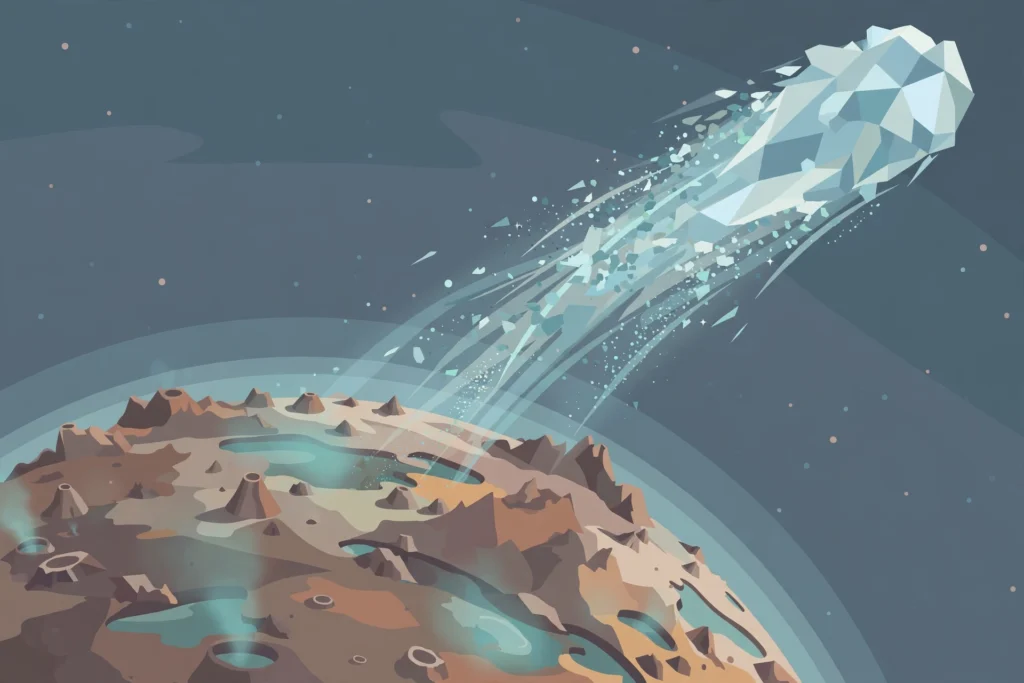
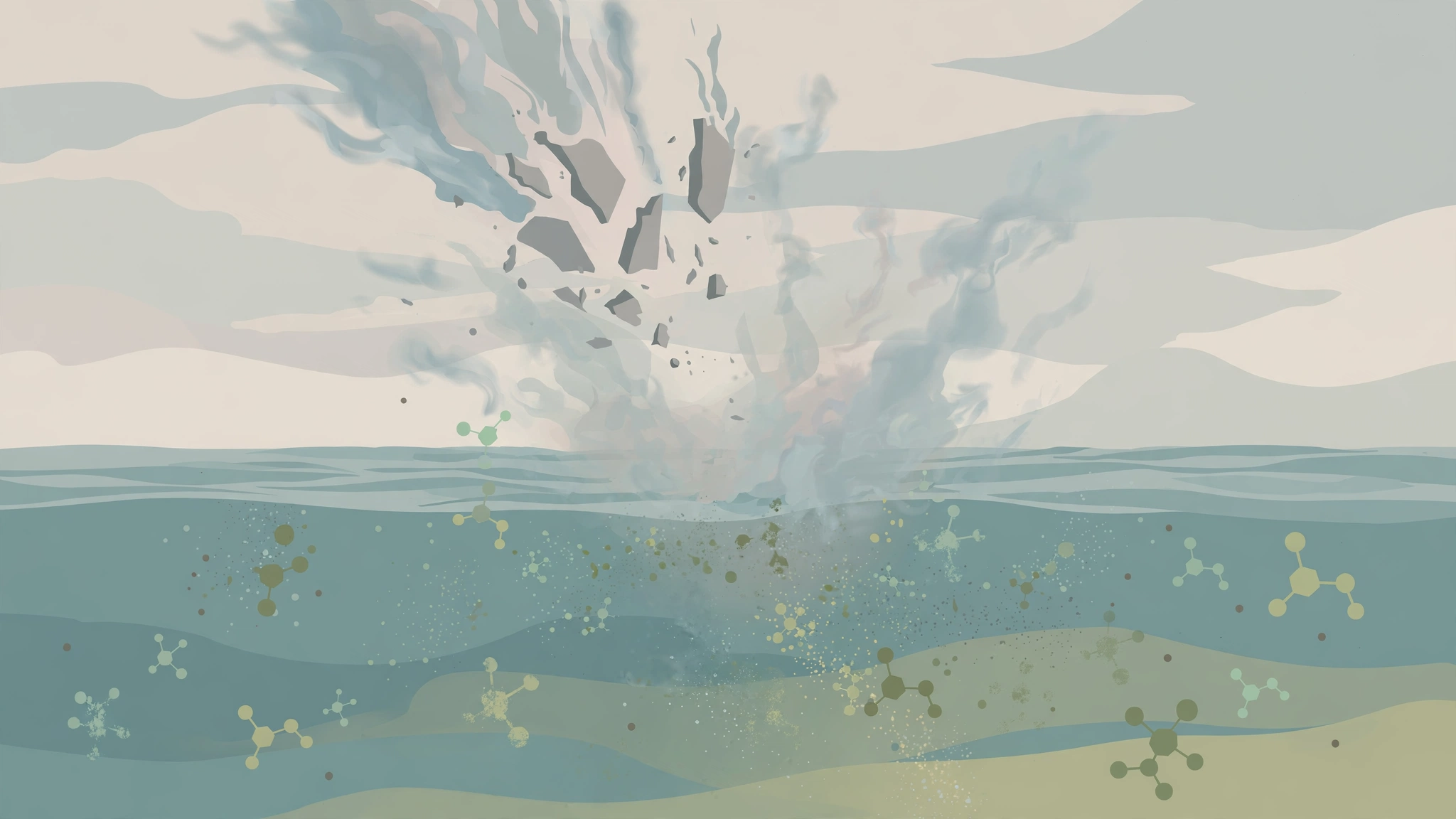
The simulations found that comets travel too fast and strike at too sharp an angle for the fragile molecules to survive. Lead author Richard Anslow said a successful delivery at a useful concentration would be, at best, a one in a million fluke. The study also found that even an ocean impact would have dissolved the chemical too quickly to help.
The idea that comets seeded life dates back to at least 1961, and the broader notion that life’s ingredients arrived from space was first put forward scientifically in 1908. Early Earth may have been struck by more than 100,000 comets larger than 100 metres, according to the study, published in the journal Scientific Reports.
The researchers stressed they cannot rule out cometary delivery entirely. They pointed to asteroids, which struck Earth far more often, as another possible source of the molecules. Mars, they added, looked slightly more promising for cometary delivery than Earth, though still highly unlikely.
Source: CNN