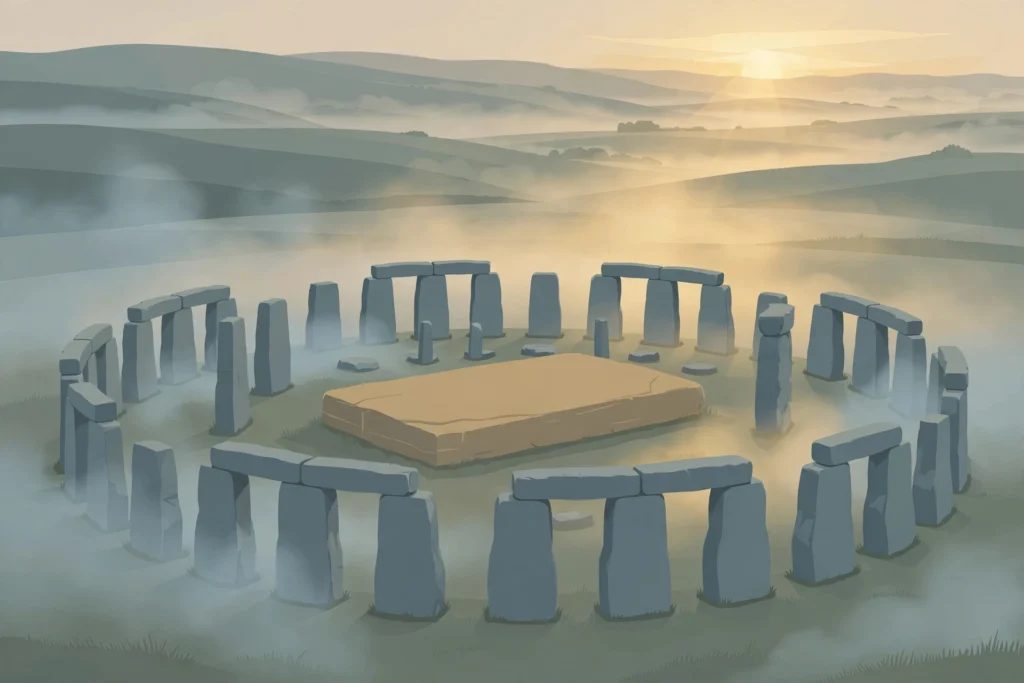
The hunt for the origin of Stonehenge’s Altar Stone is back to square one. A new study has ruled out the locations in north-east Scotland that researchers had pointed to as the source of the six-tonne slab.
The study, published in the Journal of the Geological Society, gives the most detailed geological analysis of the stone yet. Its team, led by Professor Duncan Pirrie of the University of South Wales, compared the stone’s structure, minerals, chemistry and isotopes with rocks from possible source areas.
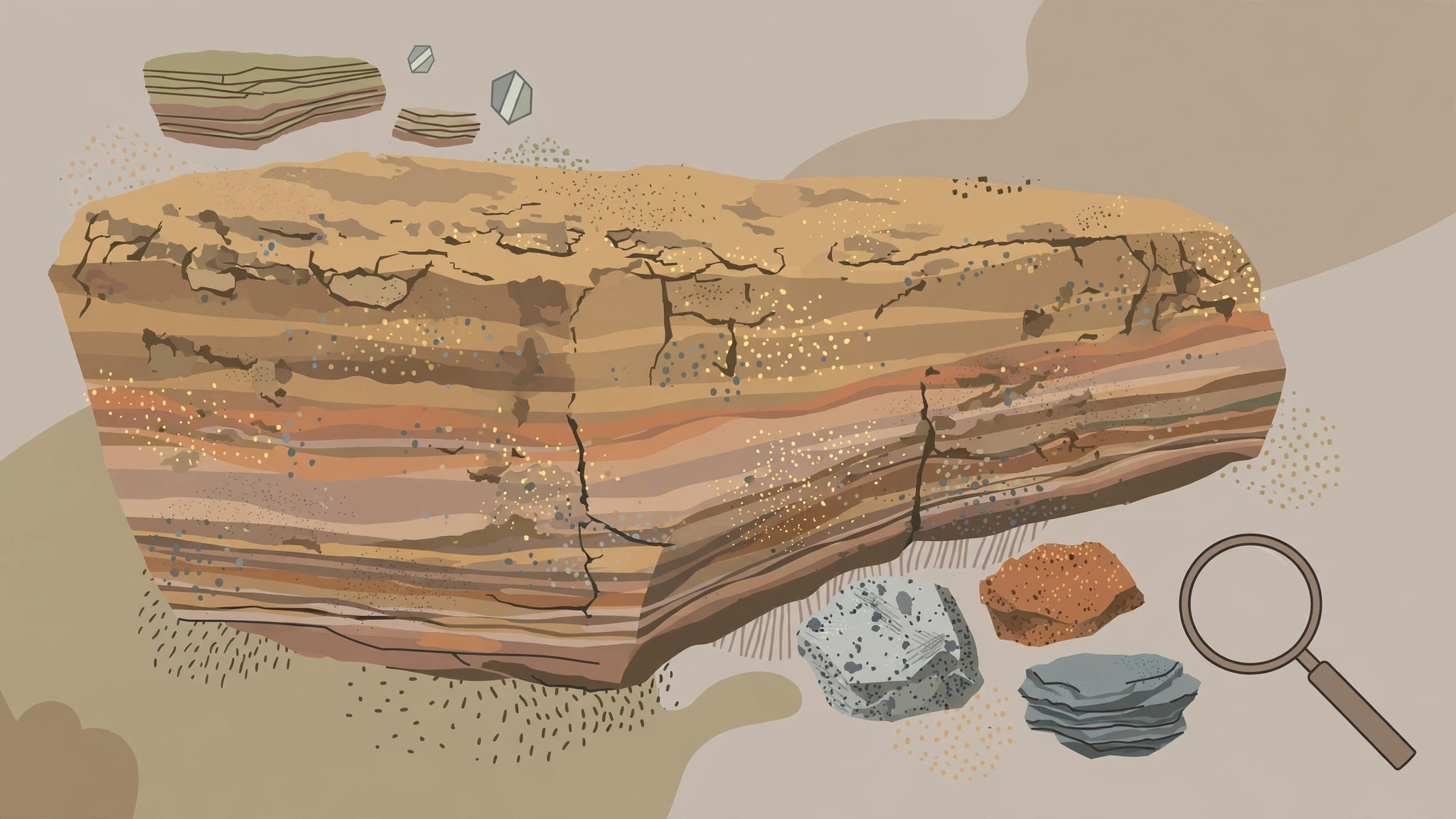
For almost a century, archaeologists believed the 4.9-metre sandstone slab came from west Wales, like most of Stonehenge’s smaller bluestones. Research published in 2024 overturned that view and traced the stone to the Orcadian Basin in north-east Scotland, more than 700 kilometres from Salisbury Plain.
The new work tested that theory against rocks from the Orcadian Basin and found no match. “So far, none of the locations examined have the same set of characteristics as the Altar Stone,” Pirrie said. He added that the search is not over.
Professor Nick Pearce of Aberystwyth University, who worked on the earlier research, said ruling out possible sources matters as much as finding new ones. “Every location eliminated narrows the search and brings us closer to discovering where the Altar Stone originated,” he said.
Source: Phys.org