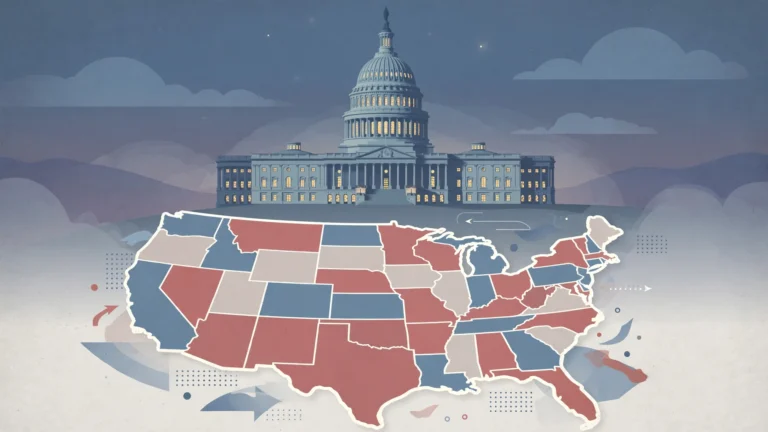
Staff at the US government’s AI safety centre were recently asked to report informally to a White House office, two former government officials told the Associated Press on 8 November.
The officials spoke on condition of anonymity to protect current staff. The centre is the Center for Advancing Innovation and Standards for Super Intelligence, known as CAISSI, an independent division of the Commerce Department that tests how safely new AI systems perform.
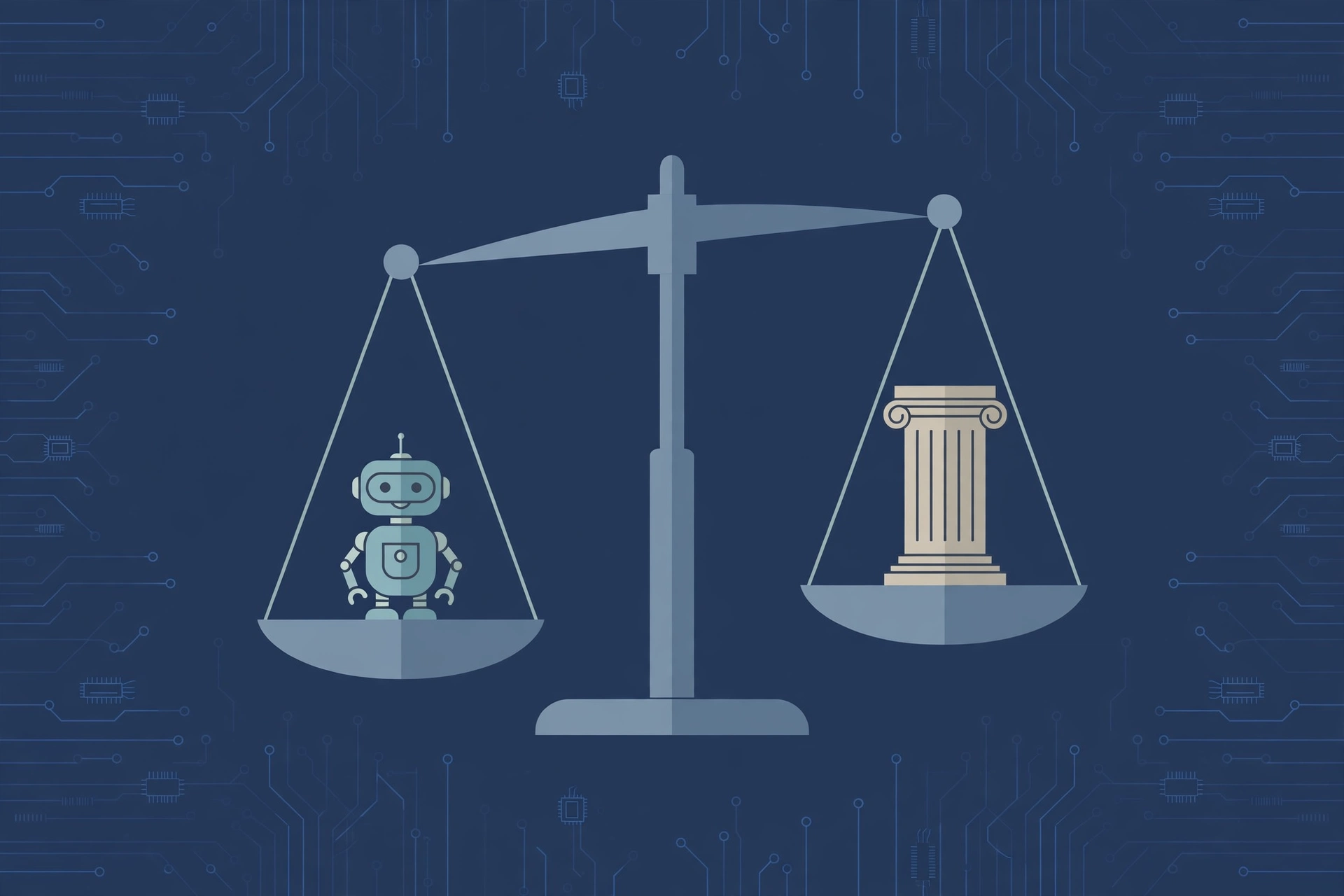
Critics told AP the arrangement could politicise decisions on risks from cybersecurity to bioweapons, and that findings could be altered or muted in deference to a tech industry largely left to police itself. Caroline Siegel Singh, an AI and emerging technology program manager at the Federation of American Scientists, said nonpartisan experts should make policy in the public interest. Amos Toh, senior counsel at the Brennan Center for Justice, said leaving labs to police themselves weakens independent checks.
The centre has no permanent director. A director hired in April was fired within days, and the replacement resigned after a few months. The head of its parent institute now serves as acting director.
It has also stopped publishing its research on AI safety. Congress began asking in August why the reports had gone dark. The centre runs on about $10 million a year, roughly an eighth of the budget of its British counterpart, according to AP. OpenAI has pressed policymakers for more money and support for the unit.
The White House did not answer AP’s specific questions about the new reporting line. In a statement it said President Donald Trump had formally established a Super Intelligence Force, commissioned a risk report from his Council of Advisors on Science and Technology, and put National Intelligence Director Jay Clayton in charge of the force. Others argue the closer tie could give the small division more prominence and funding.
Source: Broadband Breakfast