Scientists have found what they say is the strongest evidence yet of red blood cells in a dinosaur fossil. The structures sit inside bone from the right leg of a medium-sized meat-eater that roamed Brazil about 115 million years ago.
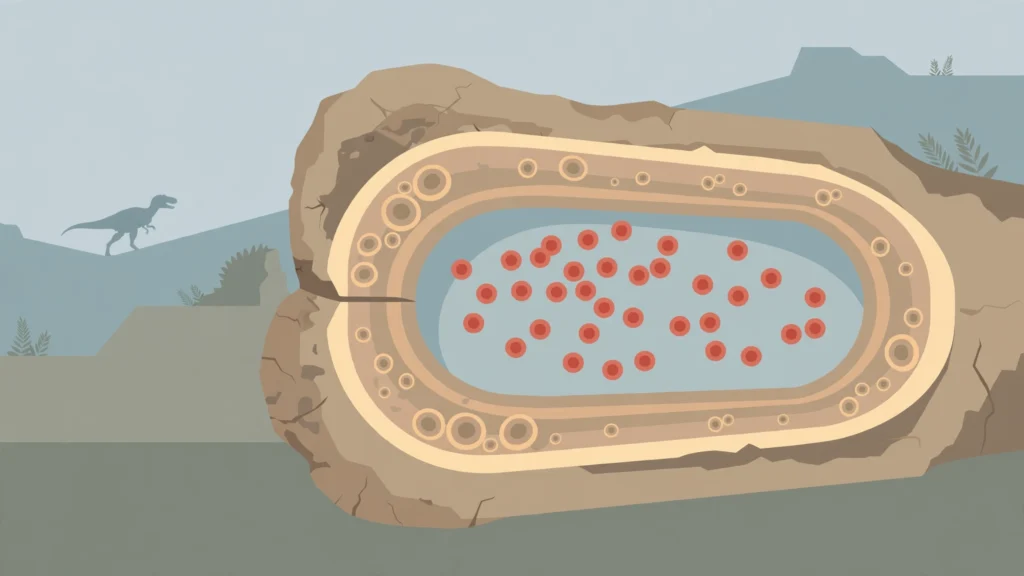
The team examined the bones of Aratasaurus museunacionali, a bipedal dinosaur about 10 feet long that died at roughly four years old. Using an electron microscope, they found microscopic structures in the bone’s vascular canals that look like fossilised red blood cells, and chemical tests detected traces of heme, the iron-containing molecule behind haemoglobin.
Lead author Kliti Grice, an organic and isotope geochemist at Curtin University in Perth, said the team has not found a vial of dinosaur blood. What they found, she said, is a mineral and molecular echo of ancient biology. The study, published on Monday in the Proceedings of the National Academy of Sciences, does not document dinosaur DNA, and Grice cautioned against reading it as evidence of intact genetic material.
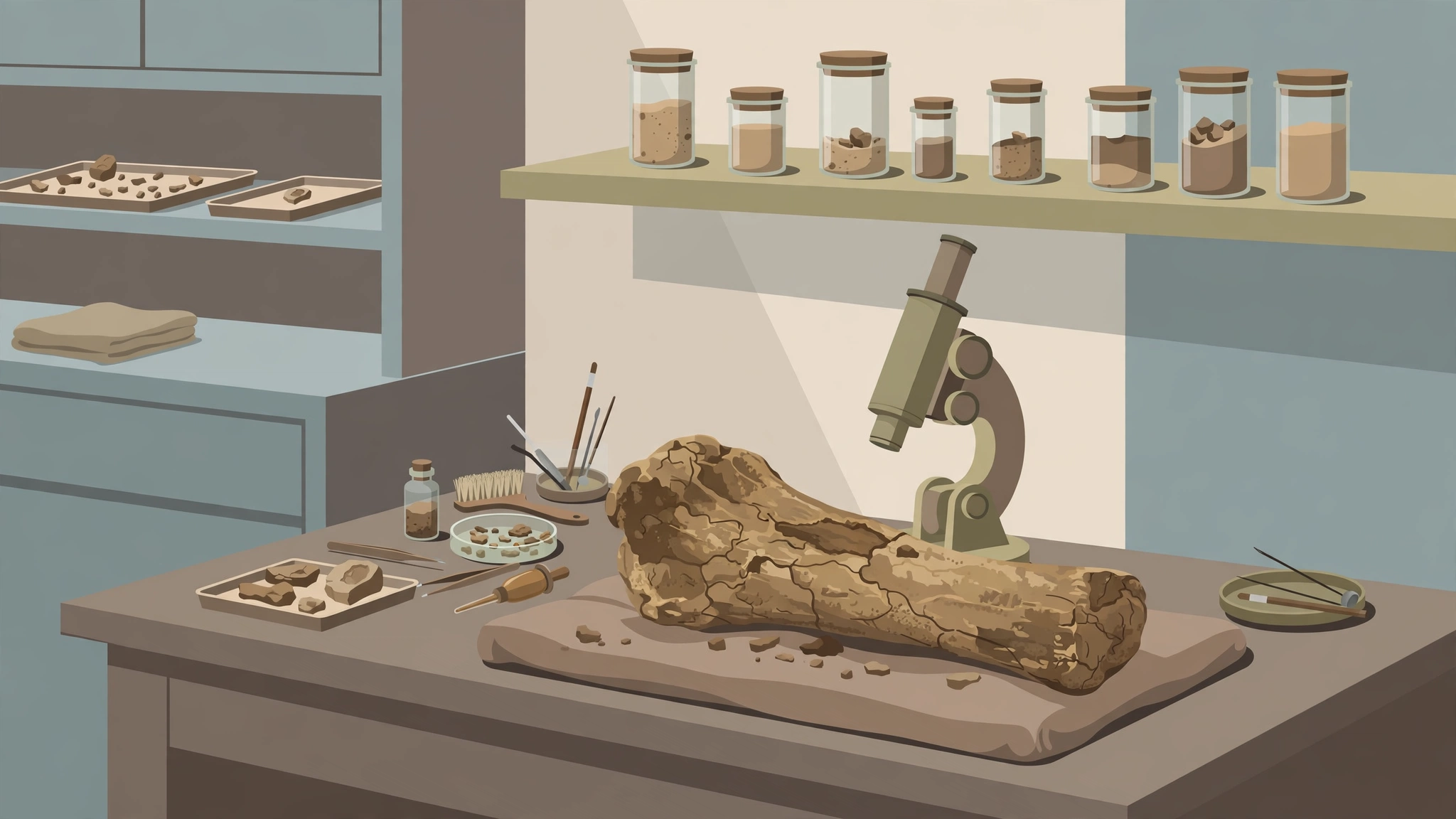
The researchers also detected collagen-related amino acids in the bone, though Grice noted that is not the same as recovering an intact ancient protein. The fossil, unearthed in a gypsum mine in Ceara state in north-eastern Brazil in 2008, includes parts of the right femur, tibia and foot.
The finding is already drawing scrutiny. Biologist Mary Schweitzer, who previously found soft tissue remains in dinosaur fossils, told The Guardian she remains sceptical that the structures are red blood cells. Grice said the aim is to work out how much genuine molecular information deep time can preserve.
Source: Reuters