Scientists say they may have solved one of geology’s oldest puzzles: why roughly 1.2 billion years of Earth’s history are missing from the rock record at the Grand Canyon. A paper published in Nature argues that slow movements deep inside the planet gradually sank the missing layers into the ocean.
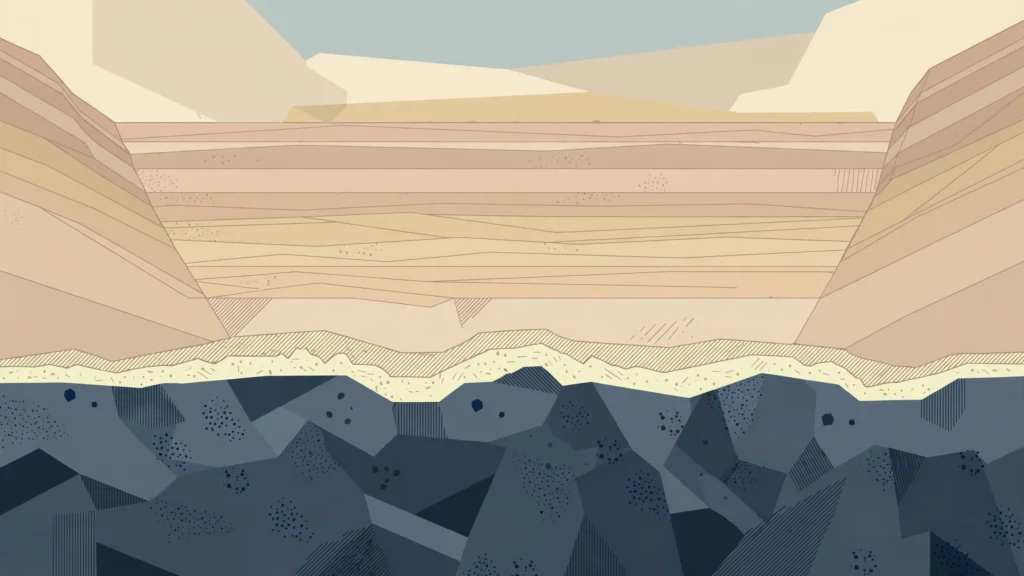
The gap, known as the Great Unconformity, sits where much younger Cambrian sedimentary rocks rest directly on ancient basement rocks more than a billion years old. Geologist John Wesley Powell first identified it in the 19th century, and researchers have debated its cause ever since.
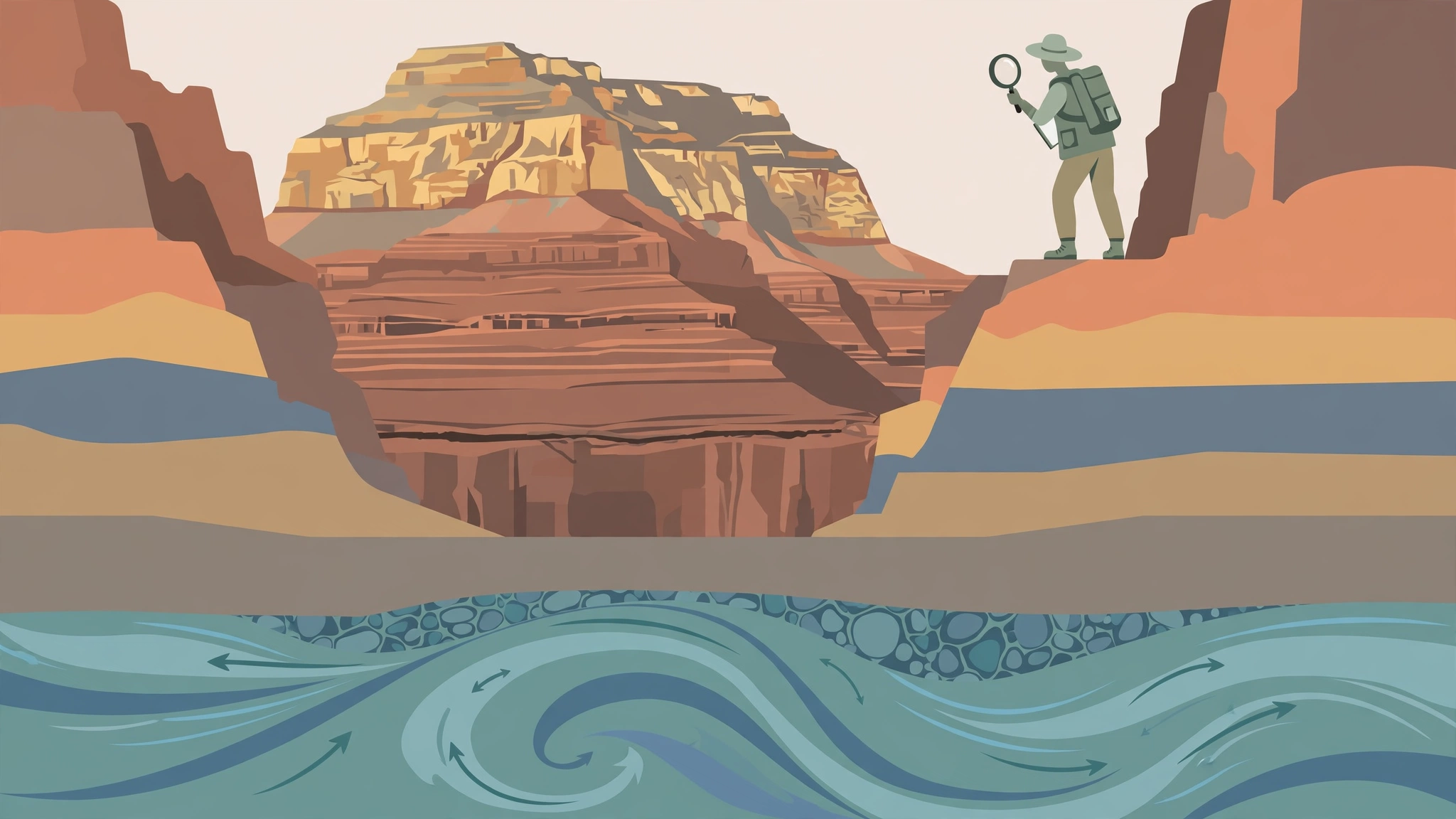
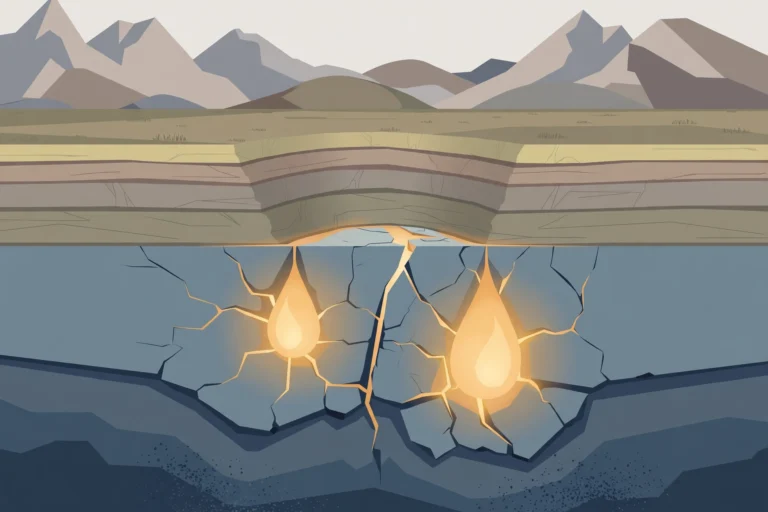
Lead author Santosh Dhungana, a PhD candidate at the University of Wollongong in Australia, and his colleagues modelled patterns of mantle convection over hundreds of millions of years. According to the study, those currents caused continents to gradually rise between about one billion and 540 million years ago, and the missing layer subsided into the ocean during a slow sinking that began at the onset of the Phanerozoic, Earth’s current geologic eon.
The National Park Service notes that about 1.2 billion years, roughly a quarter of Earth history, are missing at the contact in the Grand Canyon. The new work gives that gap a mechanism, linking the slow churn of the mantle to the rocks visitors see in the canyon walls today.
Source: Gizmodo