Geologists have found two giant tears in a tectonic plate deep beneath southeastern Iran. The discovery, published in Nature Geoscience, gives researchers a rare look at the moment an ocean basin closes and two continents begin to collide.
A team led by the Chinese Academy of Sciences mapped the damage with seismic data from 69 monitoring stations, recorded between March 2017 and September 2018. The readings produced around 57,000 measurements of earthquake waves passing through the rock below the Zagros-Makran region, near the Strait of Hormuz.
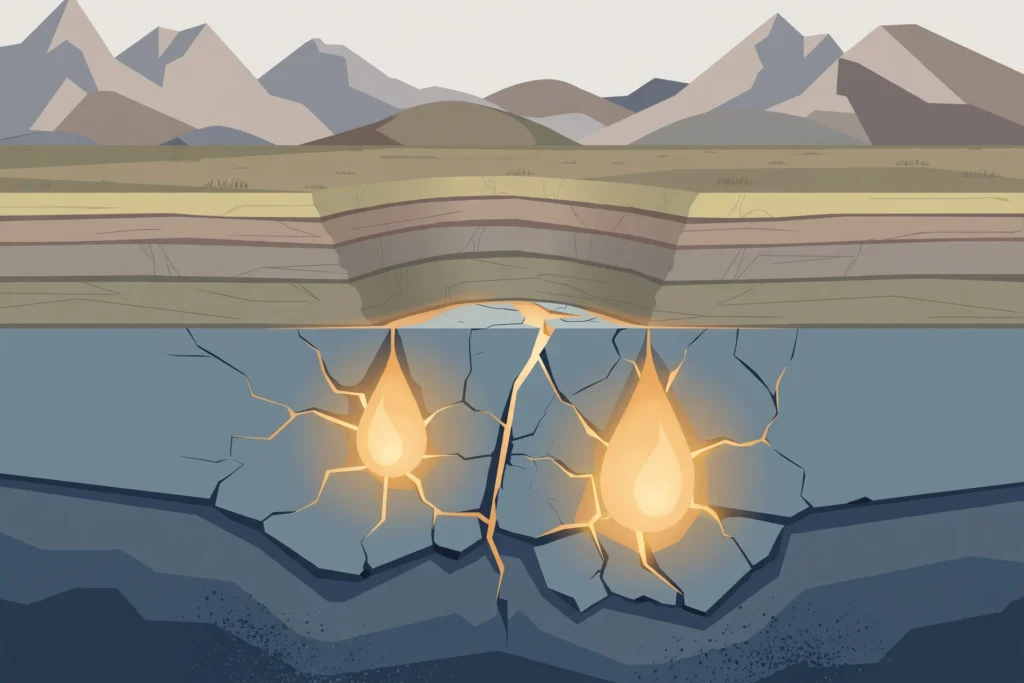
The first tear runs horizontally, where the Zagros collision zone meets the Makran subduction zone. There, the oceanic part of the Arabian Plate keeps sinking to at least 450 kilometres deep. To the west, the thicker continental rock of the Zagros has sunk no deeper than about 300 kilometres. The mismatch pulled the plate apart and opened a gap between the two slabs.
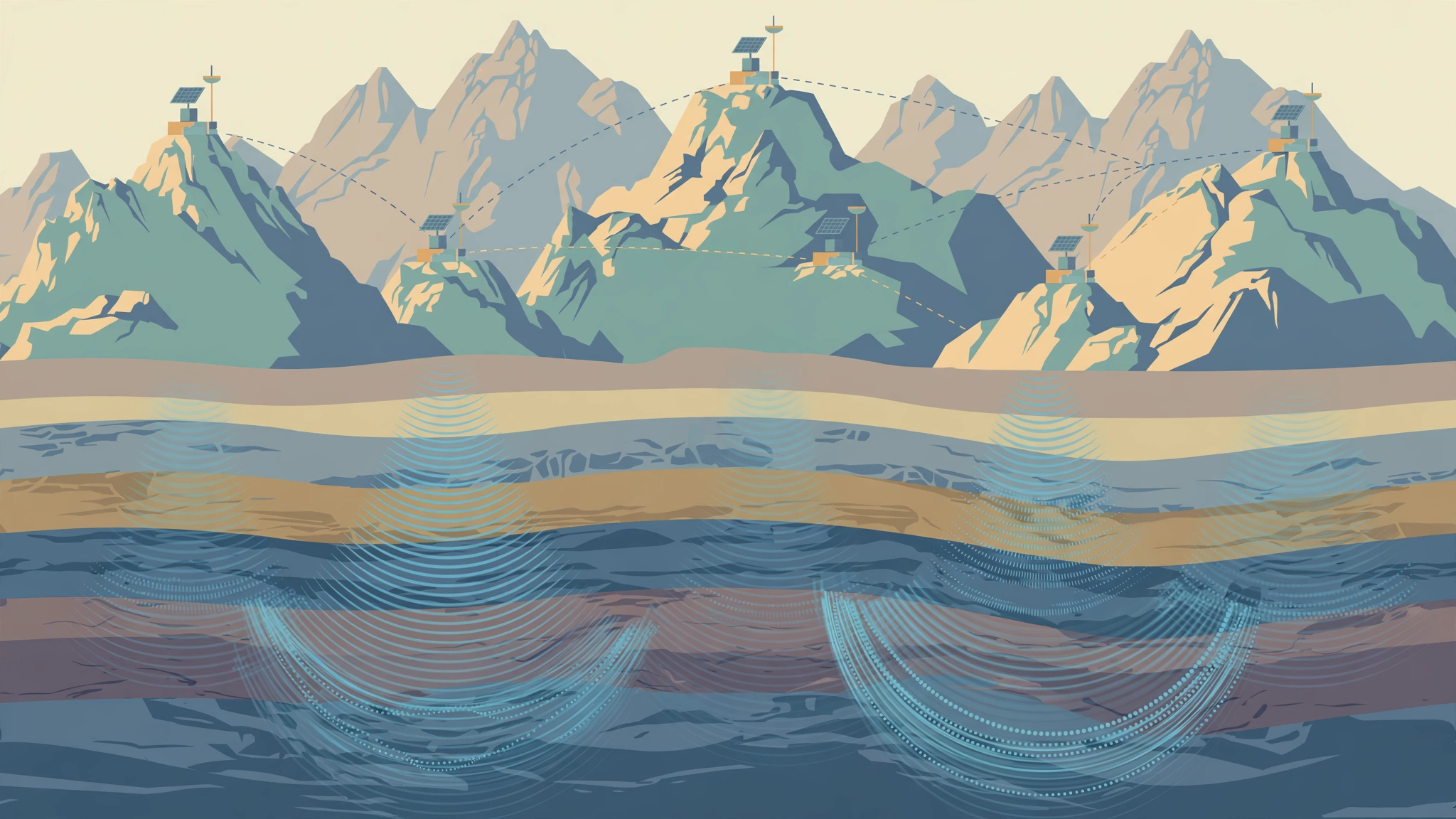
The second tear is smaller and vertical, near the Makran Trench. The team estimates it began about eight million years ago and has spread roughly 200 kilometres southward as the continental plate pushes north.
The two tears formed in different ways, which is what makes the find unusual. Together they show a plate in the middle of changing from oceanic subduction to full continental collision, a shift that geologists rarely catch in progress. The researchers expect the tears to meet eventually, over geological timescales.
Source: ScienceAlert